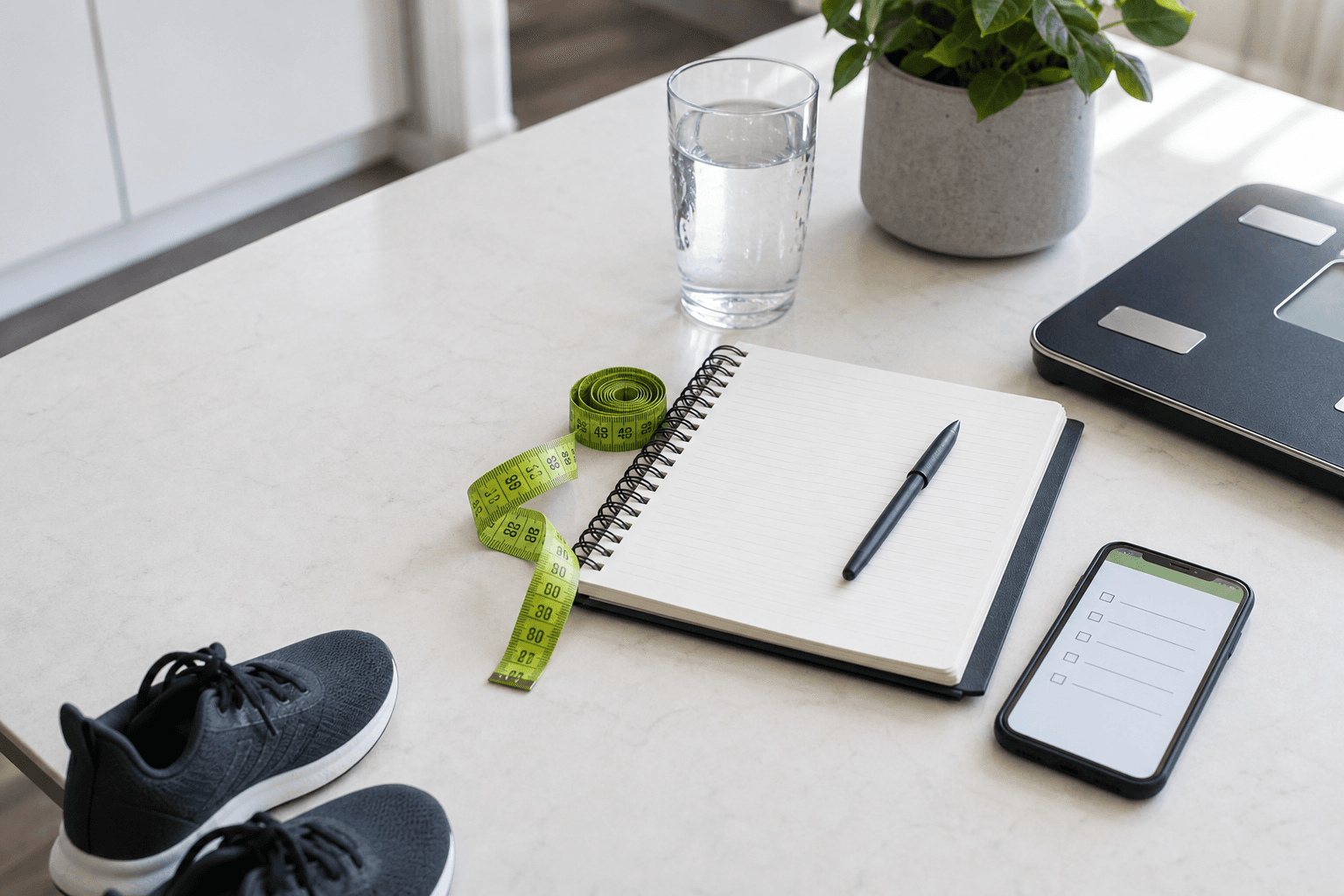
As fall ramps up with work, school, and packed calendars, the workout plan that looked great in a motivated moment often falls apart. The fix is not more willpower. It is designing a routine modest and flexible enough to survive a genuinely busy week, because the plan that survives is the one that works.
Design for your worst week, not your best
A six-day program built for a perfect week collapses the moment life gets hectic. A plan built around two or three sessions you can hit even when busy is more boring and far more durable. Aim for the floor, not the ceiling.
Attach workouts to existing anchors
Habits stick when they latch onto something already in your day. Training right after work, before a shower, or during a kid’s practice gives the habit a reliable cue. Free-floating good intentions tend to drift.
Shrink the session before you skip it
On a chaotic day, a ten-minute version beats skipping entirely. A short workout keeps the habit alive and prevents the all-or-nothing spiral where one missed session becomes a missed week.
Track consistency, not perfection
Measuring whether you showed up, even briefly, is more motivating than grading every session. A long streak of imperfect-but-present workouts builds more fitness than a short streak of flawless ones followed by a long gap.
Run a two-week experiment
Treat this as a small experiment rather than a permanent rule. Start with one action from the checklist: Plan around two or three sessions you can hit on a bad week. Put it in a specific time and place, and make the minimum version easy enough to complete on a difficult day. Do not overhaul the rest of your routine at the same time.
Keep a brief record of what happened, including the situation, the action you took, and one outcome that matters for this topic. At the end of two weeks, keep what made life easier, revise what created friction, and drop what provided no useful benefit. A modest test produces better information than a dramatic three-day push.
Put the advice into practice
Choose a minimum viable schedule for the busiest predictable week, not the open week on your calendar today. That might be two twenty-minute home sessions and one longer weekend walk. Reserve exact windows, prepare equipment beforehand, and create a ten-minute version that still counts when work or family plans expand.
Measure the signal that matters
Track starts rather than perfect sessions for the first month. A check mark means you began at the planned cue and completed at least the minimum version. Once starts are reliable, gradually measure volume or intensity. This order prevents a detailed program from hiding the more basic problem that the workout rarely begins.
Know the limits and safety boundaries
A schedule should flex around illness, acute pain, sleep loss, travel, and unusually demanding weeks. Missing or shortening a session is often the correct decision, not a character flaw. The habit to protect is returning at the next realistic opportunity without doubling workouts or using exercise as punishment.
A simple way to start
- Plan around two or three sessions you can hit on a bad week.
- Anchor workouts to a fixed cue in your existing routine.
- Do a shorter version instead of skipping when time is tight.
Common questions
How short can a workout be and still count?
Any safe bout is more useful than no movement, and short sessions can accumulate across the week. Define a minimum that is easy to start but still intentional—perhaps one circuit or a ten-minute walk—then continue longer when time and energy allow.
What if my schedule changes every week?
Use a weekly planning appointment instead of fixed weekdays. Identify the best two or three windows for the coming seven days, plus one backup. Keep the workout menu stable so only the timing changes; fewer decisions make an irregular schedule easier to navigate.
Who should check with a clinician before increasing activity?
Get individualized guidance if you have chest pain, dizziness, a recent injury or surgery, significant joint problems, a heart or lung condition, or another issue that changes what exercise is safe. Beginners can start small, but warning symptoms should never be pushed through.
Put this into practice
Sources and further reading
- HHS: Physical Activity Guidelines Questions and Answers
- NIDDK: Changing Your Habits for Better Health
- CDC: Steps for Losing Weight
What to watch
A workout habit is built on showing up imperfectly, over and over. Make the bar low enough to clear on hard days, and consistency will quietly outperform any heroic plan you cannot maintain.