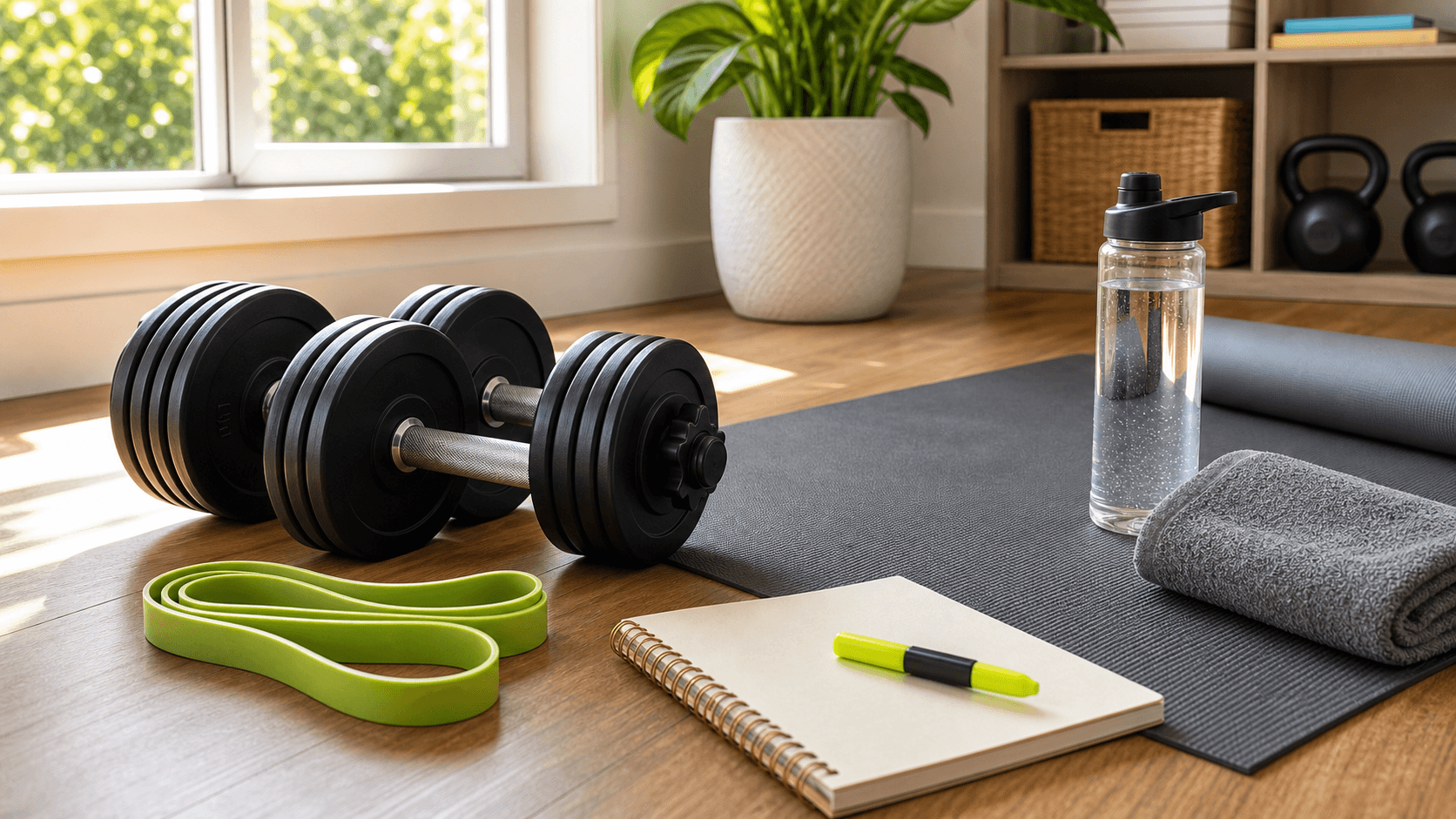
The strength-versus-cardio debate gets framed as a war, but for most people it is a false choice. Each does something different and useful during weight loss. The real question is not which one wins, but how to balance them given your goals, your time, and what you will actually keep doing.
What strength training brings
Lifting helps you preserve muscle while losing weight, which matters because muscle supports strength, function, and how your body looks at the end. It also builds capability that carries into daily life. Protecting muscle is one of the strongest arguments for resistance work.
What cardio brings
Cardio supports heart health, endurance, and energy expenditure, and it is often easy to scale and recover from. Walking, cycling, and similar activities are accessible and repeatable, which makes them practical contributors to a daily routine.
Why fat loss itself comes from intake
Both forms of exercise support the process, but neither replaces the role of overall energy balance. Training shapes your body and protects your health, while what you eat does most of the work of creating a deficit. Holding both ideas at once keeps expectations realistic.
A practical way to split it
A common, sustainable approach is a couple of strength sessions a week plus regular walking or other cardio you enjoy. The exact ratio matters less than consistency. Start with what fits your schedule and adjust as it becomes a habit.
Run a two-week experiment
Treat this as a small experiment rather than a permanent rule. Start with one action from the checklist: Include some resistance work to protect muscle while losing weight. Put it in a specific time and place, and make the minimum version easy enough to complete on a difficult day. Do not overhaul the rest of your routine at the same time.
Keep a brief record of what happened, including the situation, the action you took, and one outcome that matters for this topic. At the end of two weeks, keep what made life easier, revise what created friction, and drop what provided no useful benefit. A modest test produces better information than a dramatic three-day push.
Put the advice into practice
Build the week around both jobs. Two manageable full-body strength sessions can train major movement patterns, while brisk walking, cycling, or another aerobic activity fills several shorter windows. If time is scarce, alternate emphasis rather than abandoning one category: maintain strength during a cardio-heavy month and maintain aerobic work during a lifting-focused block.
Measure the signal that matters
Track outcomes that match each mode. For strength, record repetitions, resistance, technique, and recovery. For cardio, record time, pace, distance, or perceived effort. Body weight cannot tell you which system is improving, and a new lifting routine can temporarily increase scale weight through water and stored carbohydrate.
Know the limits and safety boundaries
Exercise supports health and weight management, but it cannot guarantee fat loss or erase unlimited intake. More training also creates more fatigue and sometimes more hunger. Start below your maximum, progress gradually, and stop for chest pain, faintness, or unusual shortness of breath. Pain that changes your movement deserves assessment.
A simple way to start
- Include some resistance work to protect muscle while losing weight.
- Add cardio you genuinely enjoy so it stays in your routine.
- Remember that intake, not exercise, drives most of the deficit.
Common questions
Which should I do first in the same workout?
Put the activity most important to your goal first, when you are freshest. If strength quality is the priority, lift before longer cardio; if training for an endurance event, reverse that order. For general health, the difference matters less than choosing an order you complete consistently.
Can walking count as my cardio?
Yes when the pace raises effort enough for your current fitness level, and easier walking still adds valuable movement. Use the talk test: moderate effort generally allows conversation but not effortless singing. Fitness, terrain, heat, and health conditions all change what that pace looks like.
Who should check with a clinician before increasing activity?
Get individualized guidance if you have chest pain, dizziness, a recent injury or surgery, significant joint problems, a heart or lung condition, or another issue that changes what exercise is safe. Beginners can start small, but warning symptoms should never be pushed through.
Put this into practice
Sources and further reading
- HHS: Physical Activity Guidelines Questions and Answers
- NIDDK: Health Tips for Adults
- CDC: Steps for Losing Weight
What to watch
Strength and cardio are teammates, not rivals. Build a mix you can actually sustain, keep it injury-aware, and let your diet do the bulk of the fat-loss work.