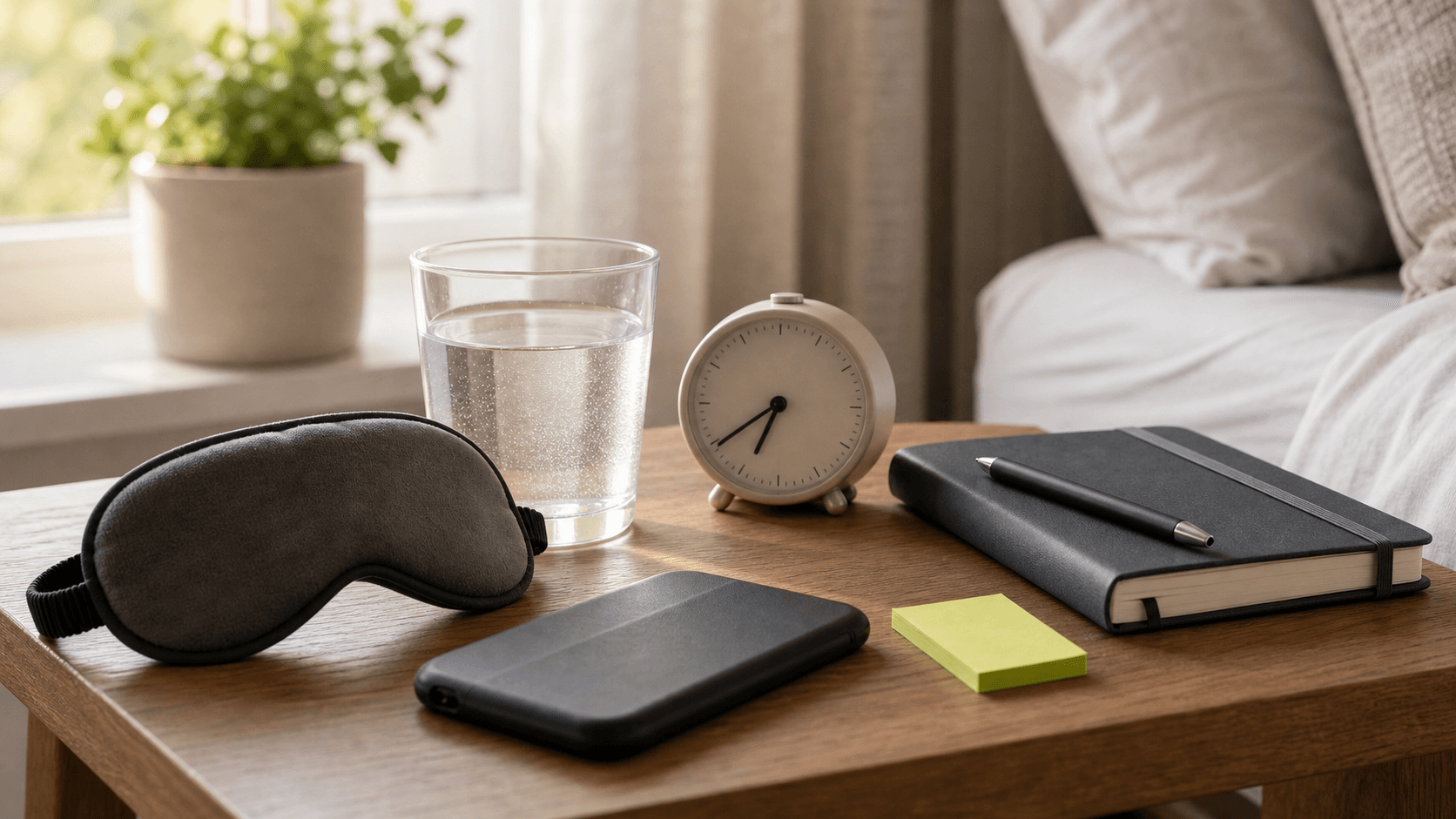
A lot of people think their fat-loss problem is discipline when the real issue is chronic fatigue. Sleep does not replace good habits, but bad sleep makes nearly every useful habit harder to execute.
How poor sleep shows up in eating
Poor sleep often increases cravings, weakens impulse control, and makes high-reward foods feel much more persuasive. When the day already feels hard, the easiest food choice usually gets even easier to justify.
How it affects training and routine
Low sleep does not just hit appetite. It also makes training feel worse, recovery slower, and planning harder. When that happens for long enough, the whole system starts leaning toward convenience over intention.
- Protect a realistic sleep window before chasing advanced hacks.
- Reduce late-night decisions that depend on energy you do not actually have.
- Treat recovery as part of the weight-loss plan, not a separate self-improvement hobby.
What better sleep can and cannot do
Better sleep will not automatically create a calorie deficit. What it can do is reduce friction around hunger, workouts, and routine adherence. That is a big deal, even if it is less exciting than diet marketing usually sounds.
When to take it seriously
If sleep issues are chronic, severe, or tied to loud snoring, gasping, or daytime exhaustion, that deserves proper medical attention. Not every sleep problem is just a bad bedtime routine.
If your willpower keeps mysteriously disappearing at night, it may be less mysterious than it looks. Exhaustion changes behavior. Better sleep can make the whole plan more manageable.