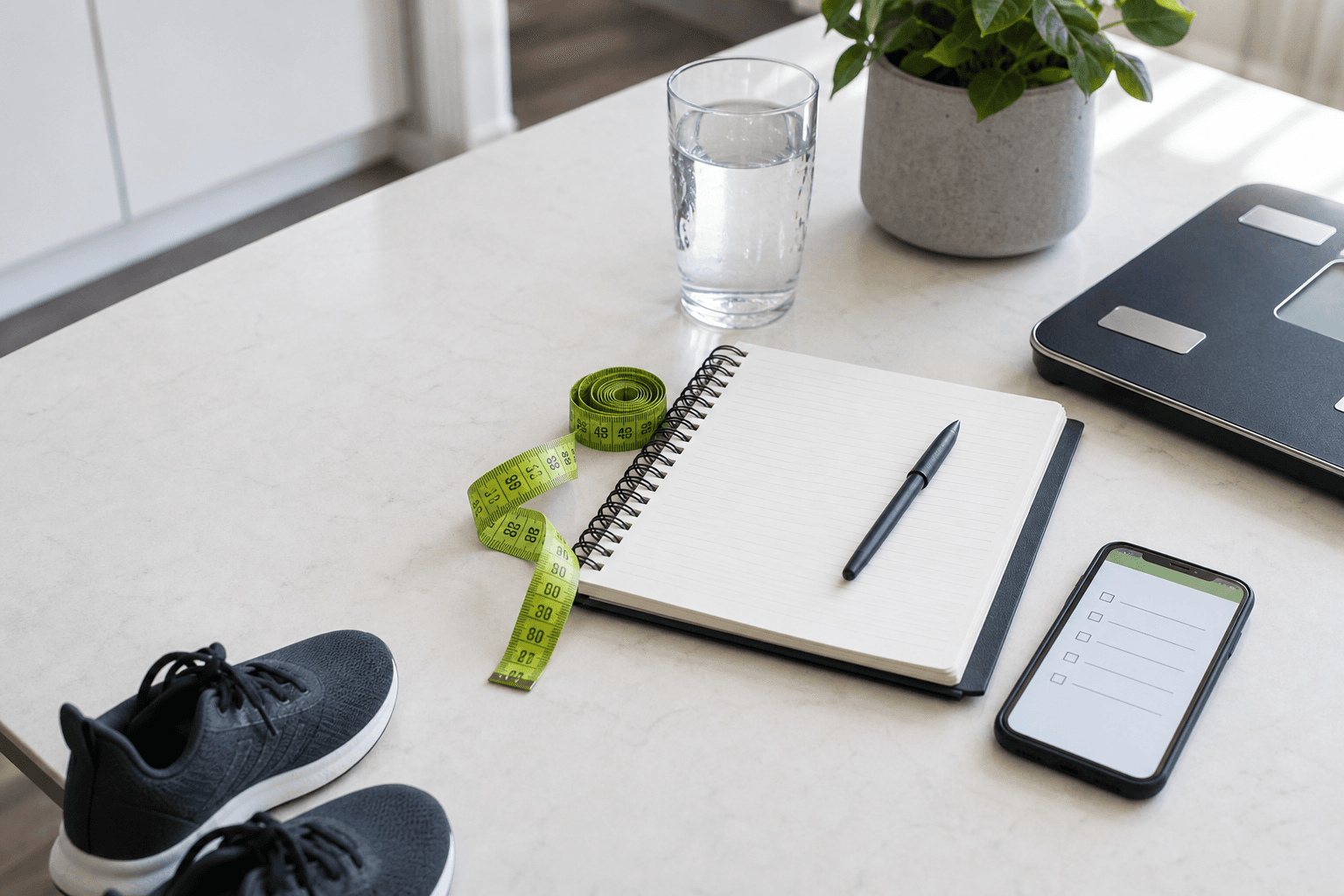
Water gets oversold as a weight-loss trick and then dismissed when it does not melt fat. The truth sits in the middle. Staying reasonably hydrated will not create a calorie deficit, but it can affect appetite signals, energy, and the quality of your decisions, which all matter for consistency.
Thirst can masquerade as hunger
The signals for mild thirst and mild hunger can feel similar, especially in the afternoon. That does not mean every craving is secretly thirst, but a glass of water before reaching for a snack is a cheap, low-risk experiment that sometimes settles the urge.
What water does and does not do
Drinking water does not burn meaningful calories or torch fat. What it can do is support energy, reduce the headaches and sluggishness that lead to poor food choices, and add some fullness before meals for certain people.
Beware the liquid that is not water
Hydration goals get hijacked when the drinks come with calories. Juice, sweetened coffee, soda, and many wellness beverages can quietly add up. Plain water, sparkling water, and unsweetened drinks keep hydration from becoming a hidden calorie source.
A realistic target
There is no universal magic number for everyone, and needs vary with size, climate, and activity. A practical approach is to drink enough that you rarely feel parched and your urine is pale, then adjust for hot days and workouts.
A simple way to start
- Try a glass of water before a snack to test whether it was thirst.
- Keep most hydration calorie-free so it does not work against you.
- Aim for steady, sensible intake rather than chasing a rigid number.
What to watch
Hydration is a supporting habit, not a headline strategy. It will not do the heavy lifting, but staying topped up can quietly make the rest of your plan easier to follow.