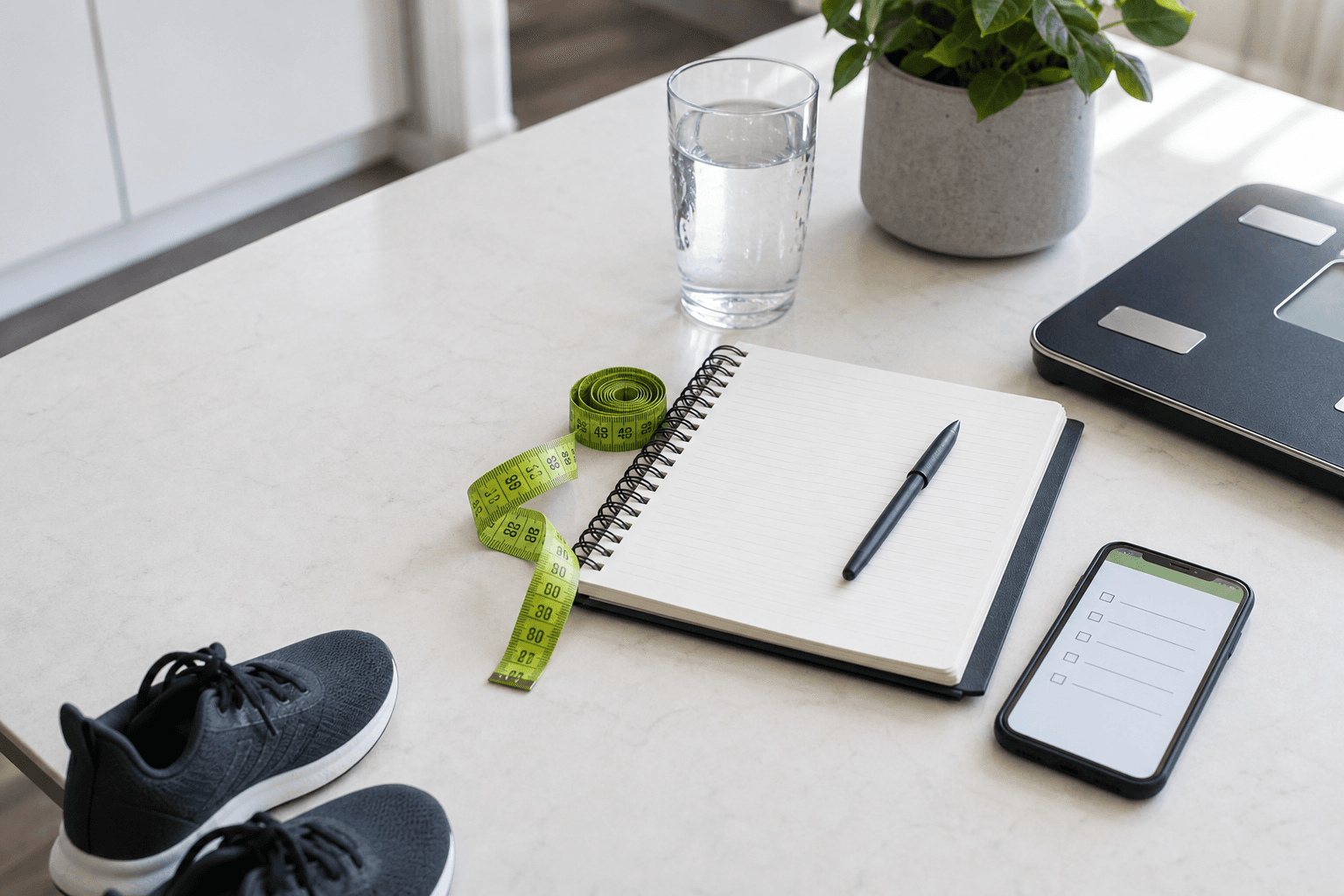
How often to step on the scale is surprisingly personal. For some people, daily weighing is grounding and informative. For others, it turns every morning into a referendum on their worth. The right frequency is the one that gives you useful information without wrecking your day.
Daily can work, if you read it right
Frequent weighing only helps if you understand that weight bounces around constantly. Viewed as a trend across the week rather than a verdict each morning, daily data can be informative. Viewed as a daily grade, it becomes corrosive.
Weekly smooths out the noise
Weighing once a week, on the same day and under similar conditions, naturally filters out a lot of the daily fluctuation. For many people this is enough to track direction without the emotional whiplash of daily numbers.
Watch your reaction, not just the number
The most important question is how the scale affects you. If a higher number sends your whole day sideways or triggers restriction or bingeing, that is a sign to weigh less often or step away from it for a while.
It is fine to take a break
The scale is optional. Plenty of people make excellent progress tracking habits, measurements, and how they feel instead. If weighing is doing more harm than good, putting it away is a valid and sometimes healthier choice.
Run a two-week experiment
Treat this as a small experiment rather than a permanent rule. Start with one action from the checklist: If you weigh daily, read it as a weekly trend, not a daily grade. Put it in a specific time and place, and make the minimum version easy enough to complete on a difficult day. Do not overhaul the rest of your routine at the same time.
Keep a brief record of what happened, including the situation, the action you took, and one outcome that matters for this topic. At the end of two weeks, keep what made life easier, revise what created friction, and drop what provided no useful benefit. A modest test produces better information than a dramatic three-day push.
Put the advice into practice
Match frequency to the decision the data will support. Daily weighing can show normal fluctuation when you use a seven-day average; weekly weighing is simpler but more sensitive to the chosen day. Use the same scale at a similar time and under similar conditions, then review the trend on a fixed schedule rather than reacting immediately.
Measure the signal that matters
Track your response to the measurement as carefully as the number. Useful weighing leads to calm course corrections over weeks. If it triggers restriction, compensatory exercise, repeated rechecking, or a ruined mood, the method is costing more than it provides. Reduce frequency or choose a different progress measure.
Know the limits and safety boundaries
Body weight changes with hydration, sodium, carbohydrate storage, digestion, hormones, travel, and training. A home scale cannot identify the cause. Sudden unexplained changes, swelling, dehydration, pregnancy-related questions, or weight monitoring for heart, kidney, or other conditions should follow a clinician’s instructions.
A simple way to start
- If you weigh daily, read it as a weekly trend, not a daily grade.
- Weigh under similar conditions to keep readings comparable.
- Step away from the scale if it consistently hurts your day.
Common questions
What is the best day for a weekly weigh-in?
Choose the day you can repeat under similar conditions. The exact weekday matters less than consistency. If weekends are unusually salty or late, a midweek reading may be less noisy, but it is still one sample; compare several weeks rather than two adjacent numbers.
How much daily fluctuation is normal?
Several pounds can shift from water and digestive contents without representing the same amount of fat change. The range varies by body size and circumstances. Focus on the rolling trend, and seek medical advice when a rapid change is unexplained or comes with concerning symptoms.
What if tracking or changing this behavior makes food more stressful?
Scale the exercise back or stop it. A useful habit should provide information without creating fear, shame, or obsessive checking. Persistent loss-of-control eating, severe restriction, purging, or distress around food deserves support from an eating-disorder-informed clinician.
Put this into practice
- Build a behavior system that survives real life
- Use the free weight-loss tools
- Practice mindful eating
Sources and further reading
- CDC: Steps for Losing Weight
- NIDDK: Changing Your Habits for Better Health
- NIDDK: Health Tips for Adults
What to watch
There is no universally correct frequency. Pick the rhythm that informs you without controlling you, and remember the scale is one tool among several, not the boss of your progress.